
Who Can Help Me Import from China? Agents & Partners
Understand what sourcing agents, freight forwarders, customs brokers, and inspection companies actually do—and which partners an auto parts importer needs.
Share this guide
Table of Contents
An international order can involve four different specialists: a sourcing agent, freight forwarder, customs broker, and inspection company. They are not interchangeable. Hiring the wrong one creates gaps—for example, expecting a forwarder to verify a brake-pad factory or expecting a sourcing agent to decide your destination customs classification.
This is part of our China sourcing series. If you are still planning the complete buying process, start with How to Import Auto Parts from China: RFQ, QC and Shipping.
The Four Roles Explained
Sourcing agent or procurement partner
A sourcing agent manages work before cargo handover. Typical tasks include:
- Translating your product need into a supplier-ready RFQ
- Finding and screening factories or specialist distributors
- Comparing quotes on the same specification and Incoterm
- Checking business identity, production access, samples, and documents
- Negotiating commercial terms without quietly changing the specification
- Coordinating tooling, samples, private-label artwork, and revisions
- Following production milestones and escalating delays
- Arranging inspection or laboratory testing
- Consolidating goods from several suppliers into one shipment
Fee models include a percentage of order value, a fixed project fee, or a retainer. Percentage quotes around 5–10% are common in the market, but two offers with the same percentage may include very different work. Ask whether inspection, local freight, warehousing, repacking, translation, travel, and claims handling are included.
Best fit: first-time importers, mixed auto-parts lists, private-label projects, buyers without Chinese-language staff, and orders where factory follow-up or consolidation matters.
Freight forwarder
A freight forwarder moves cargo. Depending on the service, it may:
- Collect cargo from the supplier
- Book air, sea, rail, courier, or multimodal transport
- Consolidate LCL shipments
- Issue or coordinate transport documents
- Arrange export declaration through the appropriate party
- Coordinate destination agents, clearance, and final delivery
- Offer cargo insurance options
The forwarder needs accurate cargo information: product description, carton dimensions, gross weight, pickup location, batteries or dangerous goods, Incoterm, destination, and required delivery scope.
Best fit: every importer needs a reliable transport plan, even when buying directly from a factory.
What it usually does not do: validate fitment, choose the right material, audit manufacturing capability, approve samples, or own the supplier relationship.
Customs broker
A customs broker handles destination-country clearance and advises on import procedure. The broker may:
- Review the product description and HS classification
- Estimate duty, VAT/GST, and additional tariffs
- Identify permits, conformity documents, or restricted goods
- Prepare and lodge customs entries
- Respond to customs questions or inspections
- Coordinate duty payment and cargo release
The supplier may suggest an HS code, but the importer and destination broker should confirm it. A sourcing agent in China should not pretend to be the final authority on US, EU, GCC, African, or Latin American import law.
Best fit: all commercial imports, especially safety-critical parts, branded goods, batteries, chemicals, electronics, used parts, and products with complex classification.
Third-party inspection company
An inspection company provides independent evidence at a defined point in the order. Common services include:
- Factory audit or supplier assessment
- Pre-production material check
- During-production inspection
- Pre-shipment AQL inspection
- Container-loading supervision
- Sample collection for laboratory testing
Inspection days are often quoted in the few-hundred-dollar range, with travel, special tests, or remote locations charged separately. Ask for the actual checklist, sample plan, inspector qualification, photo requirements, and report turnaround—not only the day rate.
An inspector reports facts against an agreed standard. The inspector does not automatically know whether a defect is commercially acceptable to your business. You must define critical, major, and minor issues before the visit.
Sourcing Agent: What the Daily Work Really Looks Like
“Find a supplier” is a small part of the job. Most time is spent removing ambiguity and keeping different parties aligned.
On a multi-SKU auto-parts order, the daily work may involve confirming whether two OE references are interchangeable, asking for connector photos, checking carton quantities, separating genuine-brand requests from neutral aftermarket products, chasing revised test data, checking whether a bank beneficiary matches the contract party, and deciding whether three suppliers can deliver to one consolidation warehouse in the same week.
The value is execution density: many small checks happen locally before they become expensive problems.
When you probably need one
- This is your first commercial order from China.
- Your RFQ contains many vehicle applications or uncertain OE references.
- The order uses two or more factories.
- You need private-label packaging or product changes.
- The supplier communicates well during sales but poorly during production.
- You cannot visit, inspect, or follow Chinese working hours.
- A delayed or wrong shipment would materially affect your customers.
When you may not need one
- You already have a proven factory and repeat specification.
- Your in-house team can communicate, inspect, and manage claims.
- The product is simple, standardized, and ordered at stable volume.
- The factory can export directly and you have your own forwarder and broker.
How to vet an agent
Ask practical questions:
- Which auto-parts categories have you handled, and what work did you perform?
- Will you disclose the supplier's legal name and location?
- How are you paid, and do you receive any factory commission or rebate?
- Can you show a redacted inspection or production-follow-up report?
- Who approves a supplier, sample, defect concession, or price change?
- How do you protect drawings, brand files, and supplier information?
- What happens when production is late or inspection fails?
Red flags include hiding all factory details, refusing to disclose incentives, using personal bank accounts without explanation, promising every category, and presenting edited factory videos as independent verification.
Freight Forwarder vs Sourcing Agent
| Task | Sourcing agent | Freight forwarder |
|---|---|---|
| Find and screen suppliers | Yes | Usually no |
| Clarify RFQ and compare product quotes | Yes | No |
| Coordinate samples and production | Yes | No |
| Arrange inspection | Yes, directly or through third party | Sometimes as an add-on |
| Collect and consolidate cargo | Often | Yes |
| Book international transport | Sometimes through a forwarder | Yes |
| Prepare transport documents | Supports supplier data | Yes |
| Destination customs clearance | Coordinates | Through broker or destination agent |
| Decide product quality acceptance | Buyer with agent support | No |
Most first-time importers need both roles. The agent gets the right goods ready; the forwarder gets those goods to the destination. A customs broker then clears them under destination-country rules.
Cost of Help vs DIY
A DIY process has no visible agent fee, but it still consumes management time. You may spend weeks searching, normalizing quotes, correcting specifications, ordering several samples, coordinating inspectors, and resolving shipment details across time zones.
The comparison is not “5–10% versus free.” It is:
- Transparent service cost
- Your internal labor cost
- Extra supplier margin or hidden commissions
- Sample and rework cost
- Probability and impact of fitment, quality, delay, and documentation mistakes
- Long-term value of owning direct supplier knowledge
DIY makes sense when the product is simple, the volume is meaningful, you have category expertise, and you can verify suppliers independently. Help is often economical when the order is fragmented, the specification is complex, or one mistake can erase the service fee several times over.
A Practical Handoff Plan for Your First Shipment
The easiest way to avoid service gaps is to create one responsibility sheet before the deposit. List every deliverable, the owner, the approval date, and the evidence required.
The buyer should own:
- Final vehicle application, OE references, drawings, and performance requirement
- Decision on genuine, independent aftermarket, or private-label status
- Target landed cost and commercial quantity
- Approval of sample, packaging artwork, inspection checklist, and defect concessions
- Destination importer details and final authority to ship
The sourcing agent should own or coordinate:
- Supplier shortlist and identity evidence
- A normalized quote comparison with exclusions shown
- Sample schedule, revision log, and approved-sample record
- Production milestones and written exception reports
- Inspection booking, corrective action, and release recommendation
- Consolidation data for every supplier and carton
The supplier should own:
- Product and process specification it has accepted
- Material, test, traceability, labeling, and packaging records
- Accurate carton dimensions, weights, quantities, and completion date
- Commercial invoice and packing-list drafts that match the actual goods
- Corrective action when production does not match the approved standard
The freight forwarder should own:
- Written routing and rate validity
- Pickup, booking, cutoff, and transport-document schedule
- Clear origin and destination charges
- Dangerous-goods or battery screening where relevant
- Cargo handover records and status updates
The customs broker should own:
- Destination classification review and entry requirements
- Duty, tax, permit, conformity, and restricted-goods advice within its scope
- Review of shipping documents before arrival
- Customs filing, queries, payment coordination, and release
Do not let the words “full service” replace this list. Two providers may both say they handle door-to-door imports while making different assumptions about inspection, duty, product certification, or liability. Named owners and written handoffs are more valuable than a broad label.
Before final payment, hold a short release review. Confirm that the approved product, inspected batch, packed cartons, invoice, packing list, booking, consignee, and import instructions all describe the same shipment. Many expensive disputes begin because each provider completed its own task correctly—but used a different version of the order.
How Kymon Fits In
Kymon Parts covers the China-side sourcing and procurement role for overseas auto-parts buyers. We help turn OE numbers, vehicle details, photos, quantities, target-market requirements, and packaging needs into a workable supplier and QC process.
We do not replace your destination customs broker, and we do not describe every supplier as a factory. Depending on the order, we may help screen manufacturers or specialist distributors, coordinate samples, compare commercial terms, arrange inspection, and consolidate shipments.
Send your parts list for a sourcing review
FAQ
How much do China sourcing agents charge?
Common models include a percentage of order value, a fixed project fee, or a monthly retainer. Percentage fees are often quoted around 5–10%, but scope, category, order size, and transparency matter more than the headline rate.
Do I need an agent to import?
Not always. Experienced buyers with a stable supplier and simple product may work directly. An agent is more useful for first orders, many SKUs, private label, verification, production follow-up, inspection coordination, or consolidation.
Can I use Alibaba instead?
Alibaba can help you discover and contact sellers. It does not replace specification work, independent verification, production follow-up, inspection, or multi-factory coordination.
The right import team is usually a chain, not one all-purpose company: sourcing or procurement on the China side, inspection against your standard, freight movement, and destination customs clearance. Make each role explicit before paying a deposit.
Share this guide with your team
Send it to the colleague handling sourcing, quality checks, or logistics.
Services for your next purchasing step
Continue with the service that matches the checks or supplier decisions in this guide.
Author

Categories
More Posts
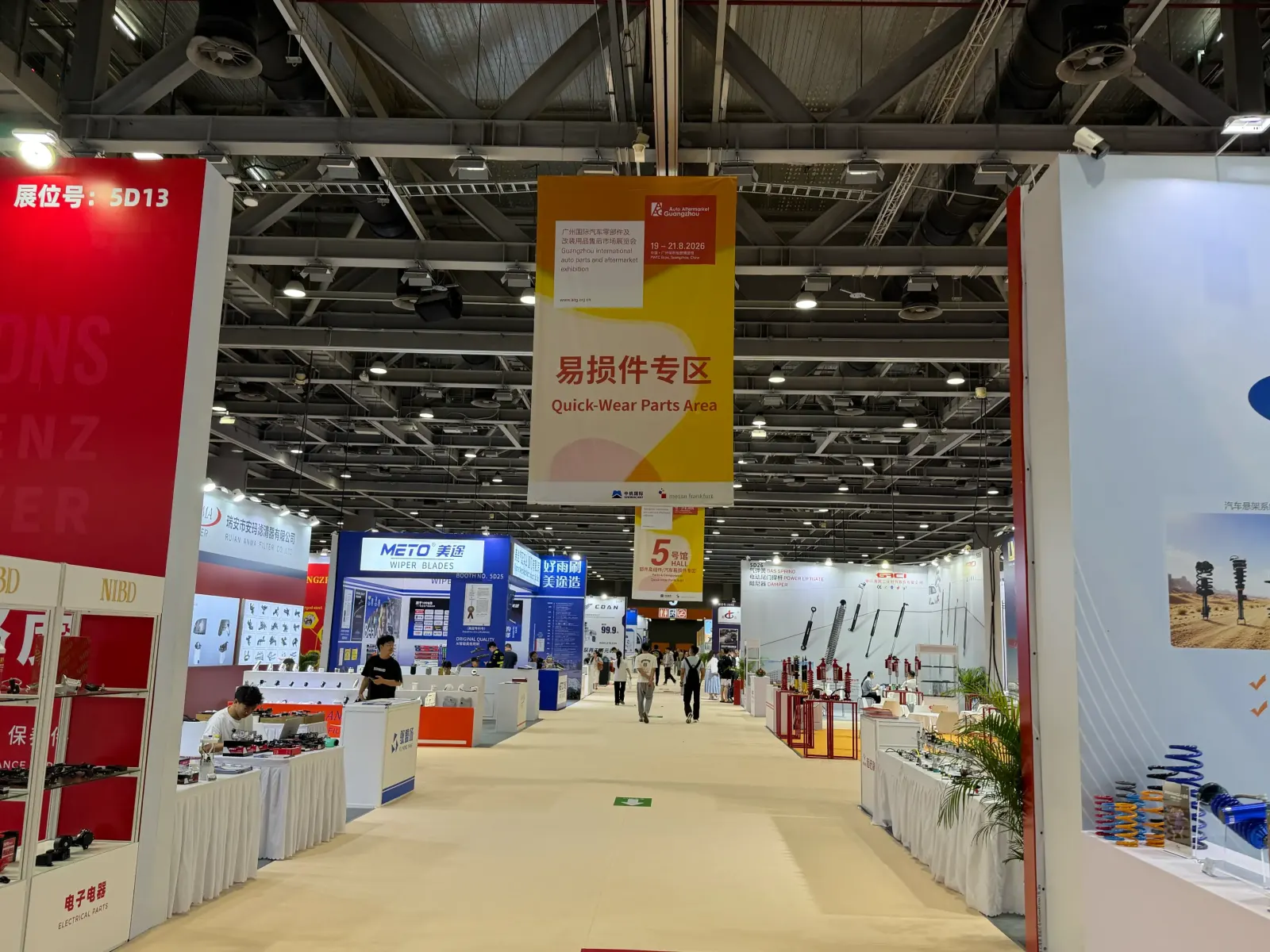
Source Auto Parts from China Without Walking the Trade Show (2026)
You do not need to walk Canton Fair, AAG in Guangzhou, or Automechanika Shanghai until your feet give out. Compare a China trip with RFQ, sampling, QC, and consolidation.

Small-Batch, Multi-SKU Auto Parts Sourcing from China
How wholesalers and repair businesses can plan mixed-SKU China auto parts orders using MOQ control, supplier grouping, samples, packaging, and consolidation.

How to Import Auto Parts from China: RFQ, QC and Shipping
Wholesale import guide for auto parts from China: RFQ, supplier checks, samples, inspection, payment terms, and shipping. Catalog websites are only one discovery channel.