
How to Consolidate Auto Parts Orders from Multiple China Suppliers
Plan a multi-supplier auto parts shipment using supplier readiness, SKU control, carton marks, packing data, inspection status, documents, and forwarder handoff.
Share this guide
Table of Contents
Buying brake parts from one supplier, filters from another, and electrical parts from a third can improve product choice. It also creates a shipment-control problem. The suppliers finish at different times, use different carton marks, and provide packing data in different formats.
Consolidation works when every carton can be connected to a supplier, purchase order, SKU group, inspection status, and shipment decision.
Build the consolidation plan before goods are ready
Create one supplier shipment table:
| Field | Purpose |
|---|---|
| Supplier and contact | Identifies the commercial owner of each goods group |
| Purchase order | Connects cargo to the buyer's approved order |
| SKU and quantity | Shows what should enter the shipment |
| Expected readiness date | Helps decide wait, split, or ship |
| Carton mark | Lets the receiving or forwarder team identify the cargo |
| Estimated cartons, weight, and volume | Supports route and cost planning |
| Inspection status | Separates ready goods from held or unresolved goods |
| Packing and label requirement | Prevents late repacking or relabeling |
| Document owner | Shows who supplies invoice, packing, certificate, or declaration data |
Do not wait until three domestic tracking numbers are already moving toward an unnamed warehouse.
Use one order reference across suppliers
Give every supplier a buyer order reference and carton-mark instruction. The outside label should connect the carton to:
- Buyer or project code
- Supplier name or code
- Purchase order
- Carton number, such as 1 of 6
- Product or SKU group when practical
- Destination or shipment batch
Anonymous cartons slow identification and increase the chance that goods enter the wrong shipment.
Separate readiness from supplier promises
“Ready next week” is not a shipment status. Define stages that support a decision:
- Production pending
- Packing pending
- Supplier reports ready
- Inspection pending
- Inspection passed or buyer exception approved
- Packing data confirmed
- Ready for handoff
- Handed to the consolidation or forwarder team
A supplier screenshot is useful evidence, but it does not replace confirmed carton and inspection information.
Decide whether to wait or split the shipment
Use commercial impact rather than habit.
Wait for all suppliers when:
- The missing goods will be ready soon
- One shipment materially improves freight economics
- The customer needs complete kits or product sets
- Documents or packaging need one coordinated batch
Split the shipment when:
- Fast-moving stock is already confirmed and urgently needed
- A delayed supplier has no reliable completion date
- One held SKU should not block unrelated goods
- Air shipment for a small urgent group protects sales better than waiting
Record which SKUs move now and which remain for the next batch.
Confirm inspection status before consolidation
Do not mix failed or unresolved items into normal cargo. The shipment table should show:
- Inspection not required under the agreed order
- Inspection booked
- Inspection completed and accepted
- Supplier correction pending
- Buyer decision pending
- Approved for shipment
Use quality inspection coordination where the order needs documented pre-shipment checks.
Align packing before the cartons move
Suppliers may use different carton strength, labels, pallet sizes, and moisture protection. Review:
- Maximum carton weight
- Fragile surfaces, connectors, glass, lamps, and body panels
- Corrosion and humidity protection
- Inner quantity and master carton quantity
- Barcode and label language
- Country-of-origin marking
- Pallet, crate, or loose-carton plan
- Whether the forwarder accepts the proposed packing
Late repacking adds cost and may break the relationship between the original supplier label and the buyer order. Preserve traceability when changing cartons.
Reconcile the invoice and packing information
The commercial invoice and packing list should describe the confirmed shipment, not the original plan.
Check:
- Shipper and consignee
- Product descriptions
- Quantities and units
- Unit and total values
- Currency and Incoterm
- Carton count
- Net and gross weight
- Marks and numbers
- Country of origin
- HS code information for broker review
The importer and destination broker should confirm classification, duty, compliance, and clearance requirements before departure.
Give the forwarder usable cargo data
The appointed forwarder needs:
- Pickup or handoff address
- Contact person
- Cargo-ready date
- Carton count and dimensions
- Gross weight and volume
- Product description
- Battery, liquid, chemical, magnet, or dangerous-goods information
- Required route and destination
- Incoterm
- Exporter and document arrangement
Ask for a written quote that separates origin, freight, destination, customs, and delivery charges.
What Kymon coordinates
Kymon's multi-supplier consolidation and export preparation service organizes supplier readiness, packing data, document consistency, and forwarder handoff information. Physical storage, repacking, carriage, insurance, and customs work depend on the warehouse, forwarder, and broker named for the order.
Kymon does not describe cargo as consolidated before the responsible parties and shipment scope are confirmed.
Send your supplier list and shipment plan.
FAQ
Can I combine auto parts from several Chinese suppliers into one shipment?
Yes, when the suppliers, consolidation point, cargo information, packing, documents, inspection status, and forwarder handoff are planned before the goods move.
Does consolidation always save money?
No. It can reduce duplicated shipments and handling, but storage, domestic transport, repacking, waiting time, and freight brackets may change the result. Compare the full plan.
What information is needed for a consolidated shipment?
Collect supplier names, purchase orders, SKU quantities, readiness dates, carton counts, dimensions, weights, packing marks, inspection status, invoice data, destination, and forwarder requirements.
Share this guide with your team
Send it to the colleague handling sourcing, quality checks, or logistics.
Services for your next purchasing step
Continue with the service that matches the checks or supplier decisions in this guide.
Author

Categories
More Posts

China Sourcing Agent vs Freight Forwarder for Auto Parts
Understand the difference between a sourcing agent, QC provider, consolidation coordinator, freight forwarder, and customs broker in a China auto parts order.

China Export License Requirements for Auto Parts with Trademark Logos
A practical guide for foreign buyers: when China auto parts shipments need export checks, how trademark logos change the risk, and what documents to request before paying a supplier.
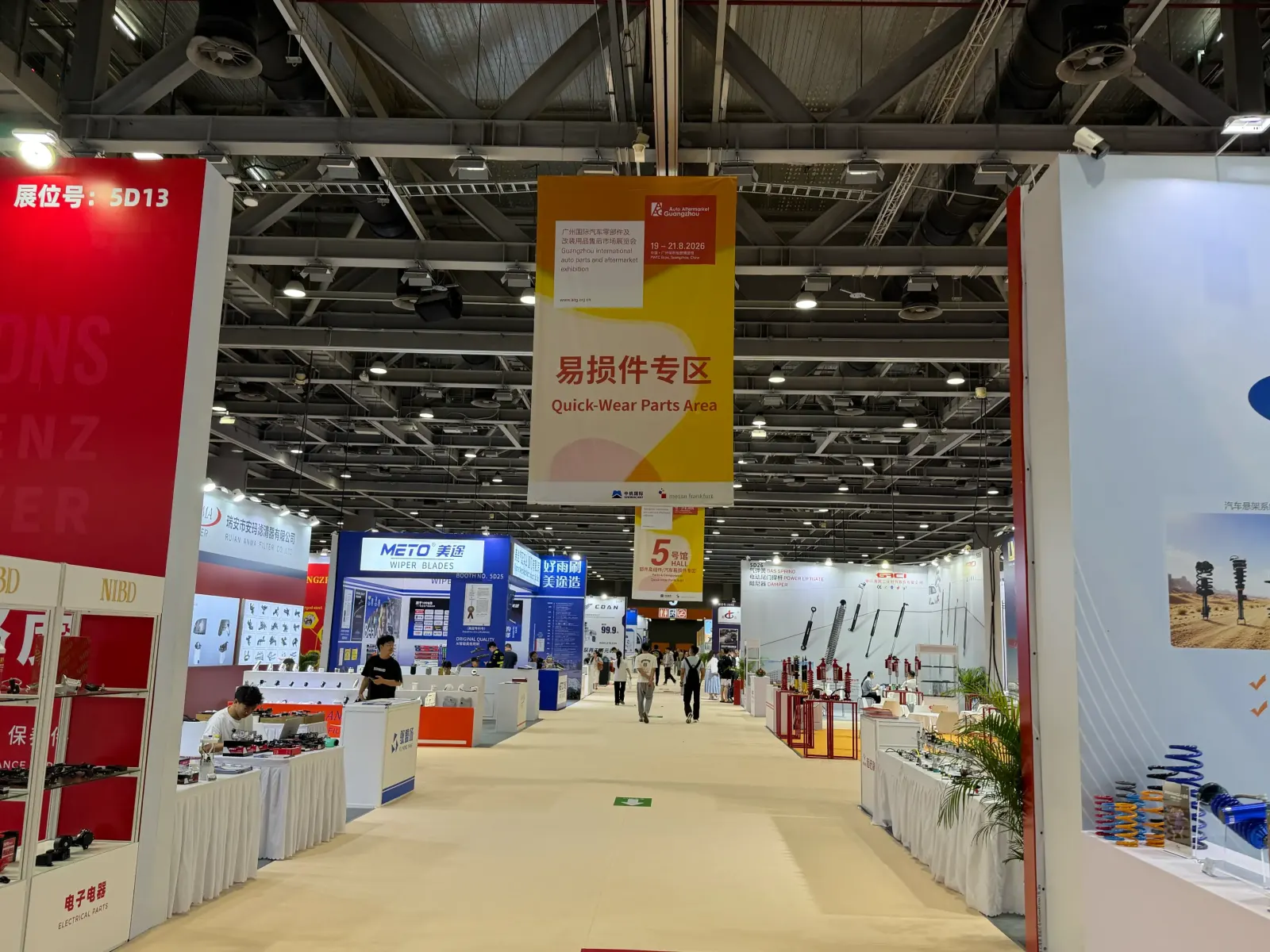
Source Auto Parts from China Without Walking the Trade Show (2026)
You do not need to walk Canton Fair, AAG in Guangzhou, or Automechanika Shanghai until your feet give out. Compare a China trip with RFQ, sampling, QC, and consolidation.