
China Sourcing Agent vs Freight Forwarder for Auto Parts
Understand the difference between a sourcing agent, QC provider, consolidation coordinator, freight forwarder, and customs broker in a China auto parts order.
Share this guide
Table of Contents
An auto parts shipment can involve a supplier, sourcing agent, inspector, consolidation warehouse, freight forwarder, and destination customs broker. Problems begin when the buyer assumes one company owns work that belongs to another.
A forwarder can move cartons without knowing whether the parts inside match the purchase order. A sourcing agent can compare suppliers without being licensed to clear cargo at destination. An inspection company can report defects without negotiating a replacement. Define the owner of each decision before paying the supplier.
Role comparison
| Role | Main responsibility | Usually does not own |
|---|---|---|
| Supplier or factory | Produce or supply the agreed goods | Independent verification of its own claims |
| Sourcing agent or procurement partner | RFQ, supplier comparison, follow-up, and order coordination | Freight carriage and destination customs authority |
| QC inspector | Check an agreed sample or inspection scope | Supplier selection, commercial negotiation, or final buyer approval |
| Consolidation coordinator | Align supplier readiness, packing data, and cargo handoff | Product compliance and destination clearance |
| Freight forwarder | Book and move cargo under the agreed route | Fitment, product quality, and supplier performance |
| Customs broker | Classification and clearance in the licensed jurisdiction | China-side production and supplier control |
One company may offer several roles. The quotation should still state what is included.
What a sourcing partner controls
A sourcing partner works on the commercial and product side of the order. For Kymon, this can include:
- Turning OE numbers, photos, drawings, and quantities into an RFQ
- Comparing suitable factories and trading sources
- Checking supplier identity and available documents
- Coordinating samples and fitment evidence
- Following production questions and packaging requirements
- Coordinating an inspection scope with a local QC partner
- Aligning several supplier orders for export preparation
The work begins before cargo exists. It helps the buyer decide what to order, from whom, under which specification, and with which control points.
See the full auto parts sourcing service and supplier verification service.
What a freight forwarder controls
The forwarder works on cargo movement. Depending on the service and route, this may include:
- Origin pickup or warehouse delivery instructions
- Air, sea, rail, courier, or multimodal booking
- Export transport documentation
- Consolidation or container loading
- Carrier communication
- Cargo insurance arrangement when requested
- Destination-agent coordination
Forwarders need accurate product descriptions, carton counts, dimensions, weights, pickup location, destination, and Incoterm. They may also require dangerous-goods information for batteries, aerosols, liquids, or regulated chemicals.
The forwarder's booking confirmation does not prove that the supplier shipped the correct part.
Where inspection fits
Inspection sits between production and release. The inspector should receive a checklist based on the purchase specification, approved sample, drawing, packaging requirement, and known product risks.
For example, a sensor order may need checks for:
- Part number and label
- Connector shape and pin count
- Voltage or function marking
- Housing damage and workmanship
- Quantity and packaging
- Basic function test under an agreed method
The inspector records evidence. The buyer decides whether to release, hold, request rework, or accept an exception. Kymon can coordinate this through its quality inspection service.
Who handles consolidation
Consolidation has two meanings that buyers often mix together.
Commercial consolidation means deciding which supplier goods belong in the same shipment, what is ready, what is missing, and how invoice and packing data should describe the batch.
Physical consolidation means receiving, storing, repacking, palletizing, or loading cargo at a warehouse. The party performing physical work must be named in the shipment plan. Kymon coordinates multi-supplier information and handoff requirements; any warehouse or forwarder scope should be confirmed for the specific order.
Read how to consolidate multi-supplier auto parts orders before booking cargo.
Who handles customs and compliance
The supplier may suggest an HS code. The sourcing partner may collect certificates and product descriptions. The forwarder may prepare transport documents. The destination customs broker or importer should confirm:
- Final HS classification
- Duty, VAT, and additional tariffs
- Product registration or conformity requirements
- Importer-of-record responsibility
- Trademark authorization
- Country-of-origin marking
- Local labeling and language requirements
- Whether the proposed Incoterm is legally and operationally suitable
Do not ask a China-side sales contact to make the final legal decision for another country.
A practical ownership map
Before placing the order, put one name beside every task:
| Task | Named owner |
|---|---|
| Product and OE reference confirmation | Buyer plus sourcing partner or supplier |
| Supplier identity and payment check | Buyer or sourcing partner |
| Sample approval | Buyer |
| Inspection checklist | Buyer with sourcing or QC support |
| Supplier correction | Supplier, coordinated by the commercial owner |
| Carton and packing data | Supplier, warehouse, or consolidation coordinator |
| Freight booking | Buyer-appointed forwarder |
| HS code and import clearance | Importer and destination broker |
| Final shipment release | Buyer or authorized representative |
If the answer is “the supplier will handle everything,” the order probably has an ownership gap.
When Kymon is useful
Kymon fits orders where the buyer needs someone to connect the product, supplier, inspection, and shipment information on the China side. The RFQ should state which suppliers are already selected and which forwarder or broker will handle transport and clearance.
Send your order and responsibility gaps to Kymon.
FAQ
Can a freight forwarder check whether auto parts match my order?
Some forwarders offer limited receiving or photo services, but their main role is cargo movement. Product identity, fitment, quality, and supplier correction require a separately agreed scope.
Does a sourcing agent replace a customs broker?
No. A sourcing agent can coordinate product and shipment information, while the importer or licensed destination broker confirms classification, duty, compliance, and customs clearance.
Who should arrange pre-shipment inspection?
The buyer, sourcing partner, or supplier can book an inspection, but the checklist and release authority should remain tied to the buyer's purchase specification.
Share this guide with your team
Send it to the colleague handling sourcing, quality checks, or logistics.
Services for your next purchasing step
Continue with the service that matches the checks or supplier decisions in this guide.
Author

Categories
More Posts

How to Consolidate Auto Parts Orders from Multiple China Suppliers
Plan a multi-supplier auto parts shipment using supplier readiness, SKU control, carton marks, packing data, inspection status, documents, and forwarder handoff.

China Export License Requirements for Auto Parts with Trademark Logos
A practical guide for foreign buyers: when China auto parts shipments need export checks, how trademark logos change the risk, and what documents to request before paying a supplier.
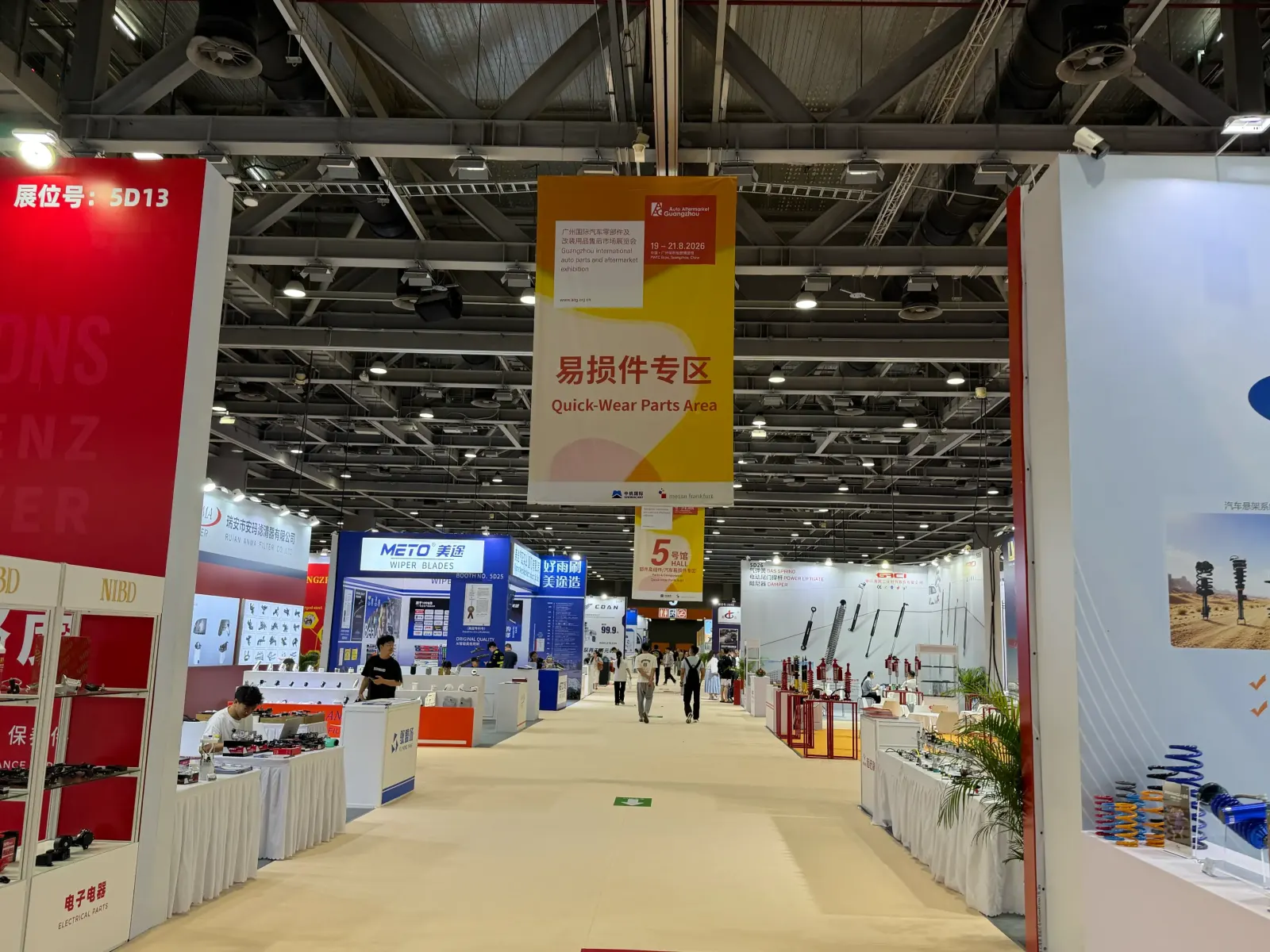
Source Auto Parts from China Without Walking the Trade Show (2026)
You do not need to walk Canton Fair, AAG in Guangzhou, or Automechanika Shanghai until your feet give out. Compare a China trip with RFQ, sampling, QC, and consolidation.