
How to Source High-Quality Brake Pads from China
Step-by-step guide to sourcing brake pads from Chinese manufacturers. Factory checks, material specs, AQL inspection, and consolidation. Ask for a current IATF 16949 site certificate, not withdrawn ISO/TS 16949.
Share this guide
Table of Contents
Agree the inspection scope before ordering
AQL is a parameter in an acceptance-sampling plan, not a promise that each shipment contains no more than 2.5% defective parts. Agree the lot definition, inspection level, defect classes, sample size and acceptance/rejection criteria. Visual inspection does not replace friction, shear or durability testing by a suitably equipped laboratory. Cost figures in this article illustrate comparisons; request a current quotation for your quantity, route and test scope.
Introduction
The global aftermarket for brake pads is large, and China remains a major production hub. For wholesalers and distributors, buying from a factory can remove an importer's markup. The actual saving depends on SKU, quantity, grade, and freight.
The market also has traders posing as factories and uneven workshops. The checks below are what Kymon uses when screening brake-pad suppliers.
Step 1: Distinguish "Real Factories" from Traders
On platforms like Alibaba, a Gold Supplier badge is not proof of manufacturing. Many listed sellers are trading companies. Traders are not automatically a problem, but they add a markup and often do not control the process.
How to Verify a Manufacturer
- Check the Business License: Look for the term "Manufacturer" in their business scope, not just "Sales".
- Ask for IATF 16949: This is the current automotive quality-management standard. Check the certificate holder, production site, scope, certification body, and validity. ISO/TS 16949 is the withdrawn predecessor and should not be treated as current.
- Video Audit: Ask for a live video call. Ask them to show you the friction material mixing room or the curing press machines. Traders won't have access to these areas.
Step 2: Understand Brake Pad Formulas
Not all brake pads are created equal. You need to specify the exact material formula suitable for your market:
| Formula Type | Pros | Cons | Best Market |
|---|---|---|---|
| Semi-Metallic | High durability, heat resistant | Noisier, more dust | Heavy Duty / Trucks |
| Low-Metallic | Good braking power | Dusty, faster wear | European Cars |
| Ceramic | Quiet, low dust, long life | More expensive | USA / Asian Cars |
| NAO (Non-Asbestos Organic) | Softest, quietest | Lower heat tolerance | Light-duty / city cars |
Pro Tip: Always ask for the friction coefficient report (e.g., GG or FF rating) to ensure safety compliance.
Material Certifications You Should Request
Depending on your target market, require these compliance documents before production:
- ECE R90: Confirm whether the offered replacement part and vehicle category require UN Regulation No. 90 approval in the destination market. Request the approval document and scope for the exact part; a generic factory certificate is not a substitute.
- AMECA (USA): While not legally required, this certification is preferred by many US distributors and helps avoid liability claims.
- CCC (China domestic): If your supplier has CCC certification, it indicates they meet China's domestic safety standards, which can be a baseline indicator of production capability.
A factory that already exports to Europe or North America will have sample test reports you can review. If they claim "OEM quality" but can't show a single ECE R90 or AMECA certificate, that's a red flag.
Step 3: Implement Strict Quality Control (AQL 2.5)
Agree inspection and payment milestones before ordering. Kymon coordinates a product-specific sampling plan; the AQL settings and release criteria depend on the agreed defect classes and order scope.
What We Check
- Dimensions: Is the backing plate thickness within tolerance (+/- 0.1mm)?
- Shear Strength: We test if the friction material separates from the steel plate under pressure.
- Noise Test: Ensure chamfers and shims are correctly installed to prevent squeaking.
- Packaging: Is the box strong enough to survive 30 days at sea?
Step 4: Smart Logistics & Consolidation
Shipping heavy items like brake pads can kill your profit margin if not managed correctly.
- Avoid LCL (Less than Container Load) if possible. Brake pads are dense; LCL fees are often calculated by volume but weight limits apply.
- Consolidation is Key: Instead of shipping 1 pallet of pads, combine them with Brake Discs or Control Arms from other factories to fill a 20ft container. This lowers your per-unit shipping cost significantly.
Illustrative Cost Comparison
Here's what consolidation looks like in practice:
| Scenario | Items | Shipping Cost | Cost per SKU |
|---|---|---|---|
| LCL (1 pallet brake pads) | 200 sets | $850 | $4.25/set |
| FCL (consolidated) | 1,200 sets pads + 300 rotors | $2,400 | $1.60/set |
The second scenario uses a 20ft container shared across two product lines. The per-unit shipping cost drops by 62%.
For multi-supplier orders, compare consolidation with separate shipments using current packing dimensions, weights, routes and handling charges. Kymon coordinates the agreed warehouse and logistics partners; warehouse ownership and one fixed port are not implied.
Common Mistakes to Avoid
Before we wrap up, here are the most common sourcing mistakes we see:
-
Ordering samples from 10 factories but not testing them: A sample that looks good isn't enough. Send it to a local test lab for friction coefficient and shear strength testing. This costs $150-300 but can save you from a $20,000 defective shipment.
-
Accepting "similar" part numbers: If you order for a 2015 Toyota Camry (part number 04465-06090) and the factory says "we have a similar one that fits," stop. Brake pads are safety-critical—never accept substitutions without verified cross-reference data.
-
Skipping pre-shipment inspection to save $300: This is the worst economy. A $300 inspection fee protects a $15,000 order. One bad batch that gets returned will cost you 10x that amount in reverse logistics and lost sales.
-
Not fixing the formula in writing: Factories sometimes change the material mix between sample and production to cut costs. Your purchase order must specify the exact formula (e.g., "Low-metallic, copper-free, friction coefficient 0.35-0.45") and reference the approved sample.
Conclusion
Sourcing high-quality brake pads from China is not about finding the cheapest supplier—it's about finding the right partner who understands safety standards and materials.
By following this process—verifying the factory, specifying the correct formula, enforcing AQL inspection, and consolidating logistics—you can build a reliable supply chain that rivals big brands in quality but at a fraction of the cost.
The importers who succeed long-term are the ones who treat brake pads as the safety-critical components they are, not as a commodity to buy on price alone.
Need Help Sourcing?
Don't have time to vet 50 factories yourself? Let Kymon handle it. We act as your on-ground sourcing department in China. We verify the factory, inspect the goods, and consolidate your shipment.
Share this guide with your team
Send it to the colleague handling sourcing, quality checks, or logistics.
Services for your next purchasing step
Continue with the service that matches the checks or supplier decisions in this guide.
Author

Categories
More Posts
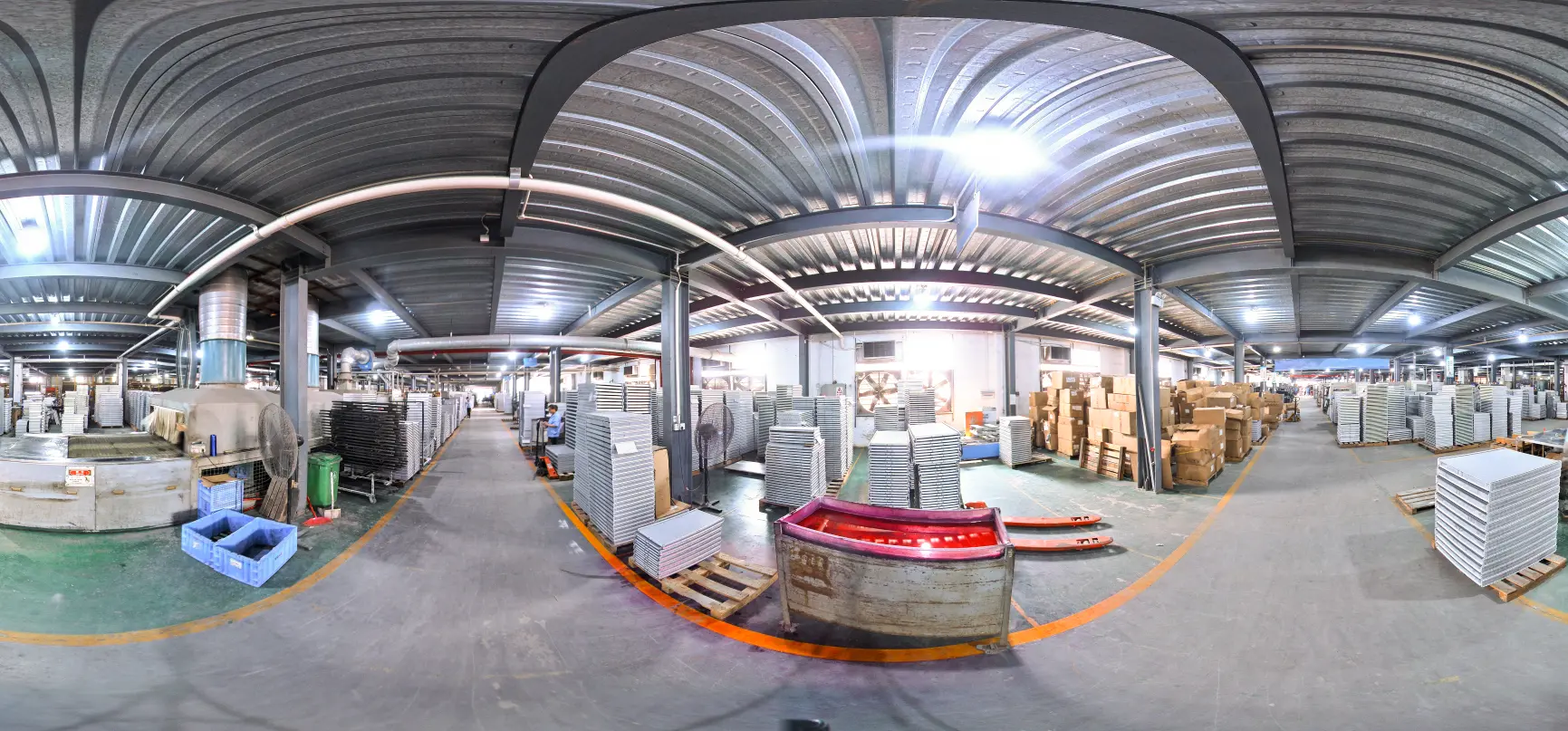
Auto Parts Factory Audit Checklist in China
Audit a Chinese auto parts factory for process ownership, equipment, materials, traceability, testing, capacity, packaging, and quality records.

Already Have Auto Parts Suppliers in China? What to Control Next
A practical guide for importers who already have Chinese auto parts suppliers but still need verification, quote control, inspection, and shipment coordination.

How to Find Chinese Manufacturers for Auto Parts
Six practical ways to find Chinese auto parts manufacturers—and a verification checklist for separating capable factories from traders, storefronts, and risky suppliers.