
Starting Small in Auto Parts? Let's Grow Together
For small repair shops and wholesale startups, finding the right auto parts supplier in China is hard. Kymon offers wholesale auto parts for startup businesses with hands-on support the big platforms can't provide.
Share this guide
Table of Contents
If you're running a small auto parts wholesale startup or a growing repair shop, you already know what keeps you up at night.
It's not the work itself. You know how to serve your customers. You know which parts move and which don't. You know your market.
What keeps you up is the loneliness of the decisions you're making about China sourcing.
You're about to wire a deposit to a supplier you've never met, in a country you may never have visited, for products you've only seen in photos. You don't know if the price is fair. You don't know if this "factory" is actually a factory or just a trading company with a good website. You don't know if the brake pad compound will match what your customers expect, or if the sensor connectors will be right, or if the shipment will even arrive.
And there's no one to ask. Your freight forwarder doesn't verify suppliers. The platform that connected you just wants the transaction to close. Your local distributor friends don't import directly, so they can't help. You're making these calls alone.
The big platforms tell you it's easy. Post your inquiry, compare quotes, place your order. But after the payment clears, you're on your own. And that's when the real questions start.
What the platforms don't tell you
Alibaba, Made-in-China, and Global Sources are powerful tools. They give you access to thousands of suppliers. But access isn't the same as clarity, and connection isn't the same as guidance.
When you're starting out, you don't yet know:
- How to read between the lines of a vague quotation
- Which supplier is a factory, which is a trader, and whether it matters for your order
- How to structure a small multi-SKU trial order without triggering impossible MOQs
- What to check before production starts, and what can wait until inspection
- How to consolidate cargo from multiple suppliers without doubling your freight cost
- When to insist on a sample, and when photos are enough
The platforms can't answer these questions. They connect buyers and sellers. They don't walk with you through the decisions. And that gap — between connection and actual support — is where most small buyers lose money, time, and confidence.
Why this moment matters for small buyers
Here's something we've observed over the past few years: the China auto parts supply chain is becoming more accessible to small buyers, not less.
Ten years ago, factories only wanted container orders. They had no patience for mixed-SKU trial orders or small repair shop requirements. But the market has changed. Domestic competition in China is intense. Export customers — even small ones — are now valuable. Many suppliers have adapted their quoting systems, lowered MOQs for stocked items, and become more willing to work with buyers who start small but come back consistently.
At the same time, the global vehicle fleet is aging. The average car on the road today is older than it's ever been. That creates sustained, structural demand for aftermarket parts — not a spike, but a long tail. And that tail is exactly where small wholesalers and independent repair shops live.
In other words: this is actually a good time to be a small player in this market, if you have the right support on the ground in China.
The opportunity is real. The challenge is navigating it without burning through capital on avoidable mistakes.
We see the gaps — and we know they're avoidable
At Kymon, we work with the auto parts industry every day — from wholesale startups placing their first container to repair shops testing small-batch orders. We see what goes wrong, and more importantly, we see the pattern:
- Buyers who ordered the wrong reference because the cross-reference chart wasn't checked
- Small wholesale operations that paid for private-label packaging on a trial order, then couldn't sell through the MOQ
- Repair shops that accepted "OE quality" from their auto parts supplier without defining what that meant, then dealt with returns
- First-time wholesale startups that combined several suppliers into one shipment without a carton-marking plan, and couldn't separate the cargo at the destination
These aren't the mistakes of careless people. They're the predictable cost of learning a complex process alone.
And here's what we believe: you shouldn't have to learn alone.
What we do differently: we stay in the process with you
We're not here to take over. You know your business better than we do. You know your customers, your market, your risk tolerance.
What we do is stay in the process with you while you make those decisions. We're the person on the ground in China who answers when you're not sure. We're the one who checks the things you can't check from 8,000 miles away. We're the partner who tells you honestly when something looks wrong, and helps you fix it before it costs you.
In practice, that means:
Before you commit to a supplier, we verify their identity, factory relationships, and production scope. Not an automated score or badge — an actual review of what they make and how they operate. Read more about supplier verification.
Before you approve a price, we help normalize the quotation so you can compare terms, lead times, payment conditions, and what's actually included. One supplier's FOB isn't always the same as another's.
Before production starts, we confirm the critical references — the ones where a connector variant or left-right error would cost you more than the inspection. We coordinate sample and fitment confirmation at the level your order justifies.
Before the shipment leaves, we organize inspection under a scope that matches your risk. You don't need laboratory testing on every filter, but you do need to know the cartons contain what the packing list says. Our quality inspection coordination keeps the control proportional.
When you have several suppliers, we coordinate the cargo collection, carton marking, and consolidation plan so your freight forwarder receives one ready shipment, not a puzzle.
And through the whole process, we're available. Not through a ticket system or a chatbot. A real conversation, in your language, about your specific situation.
If you run a small repair shop looking for an auto parts supplier
Finding a reliable auto parts supplier for a small repair shop is genuinely difficult. You're not ordering pallets of one SKU. You need maybe 10 brake kits in two sizes, 6 oxygen sensors across three vehicle applications, a few belts, and some filters. Your order is real — it's just not big by a wholesale standard.
Most Chinese suppliers size their systems for volume buyers. The quoting process, the MOQ structure, the communication speed — all of it is optimized for buyers who can move containers.
That's where having a sourcing partner on the ground changes the equation. We translate your mixed requirement into something suppliers can actually respond to. We handle the communication in Chinese when needed. We check fitment on the sensitive references so you don't receive the wrong connector. We make a small repair shop order look and feel manageable to the supplier — and we make the supplier look reliable and transparent to you.
The result: you get access to the same Chinese supply chain as the large importers, without needing their buying power.
If you're building a wholesale auto parts startup
A wholesale auto parts startup faces a different challenge. You need to test the market before committing capital, but most suppliers want commitment before they quote well. You're trying to validate which SKUs actually sell, but you can't validate without stock. You need competitive prices, but price leverage comes with volume you don't have yet.
This is the startup cycle. It's real, and it takes a specific kind of supplier partner to navigate it.
What works: treat the first one or two orders as information purchases. The goal isn't margin — it's learning which products fit your market, which suppliers are accurate, what lead times actually look like, and where the quality risks are. Use each order to build the case for the next one, and use that case to negotiate better terms.
Kymon helps wholesale startups design orders that give them the most useful information for the least capital risk. We structure the SKU selection, define what gets sampled or inspected, and help you record what you learn. By the third order, you have the evidence to move from trial mode to a real program.
We grow with you
Your first order isn't your forever order.
Maybe today you need 20 references in small quantities to test your market. Six months from now, you'll know which products move, which suppliers delivered accurately, and where you want to build volume.
At that point, your needs change. You might want:
- Better pricing on the proven SKUs
- Private-label packaging on your best-sellers
- A quality testing plan for safety-critical parts
- A supplier consolidation strategy to reduce complexity
- Help developing a house-brand line
We adapt with you. The auto parts sourcing service that helps you organize your first mixed-SKU trial order is the same service that later helps you build a structured product program.
We're not here for one transaction. We're here for the relationship.
Why we understand small repair shops and wholesale startups
We've watched small wholesale auto parts operations grow into established businesses. We've also watched repair shops and wholesale startups burn through capital on avoidable mistakes, then walk away concluding that China sourcing doesn't work for small buyers.
It does work. But finding the right auto parts supplier for small repair shops and wholesale startups requires someone in China who understands both the industry and your constraints.
Someone who knows that a repair shop doesn't order like a national distributor. That a wholesale startup can't commit to container minimums on untested products. That your third order is more important than your first, because by then you've learned what matters.
We built Kymon to be that auto parts supplier partner — for repair shops, for wholesale startups, and for anyone building something from the ground up.
An invitation to repair shops and wholesale startups
If you're a small repair shop looking for a reliable auto parts supplier, or a wholesale startup exploring how to source auto parts from China, we'd like to walk with you.
Not take over. Not make the decisions for you. But be there — on the ground in China, in the details, in the process — so you're not doing this alone.
You don't need a huge budget. You don't need to order full containers. You don't need to have everything figured out. You just need to be serious about building something, willing to invest in getting it right, and open to working with a partner who's as committed to your success as you are.
Send us your product list, your quantities, and your destination. Tell us where you are in the process — whether you're a repair shop testing your first import order, or a wholesale startup ready to scale — and what's held you back before.
We'll review your situation honestly. We'll outline a realistic first-step plan. And we'll tell you directly whether we think we can help.
If we can, let's start. If we can't, we'll tell you that too.
Let's grow together.
— The Kymon Team
A note on who we are:
Kymon is an auto parts sourcing partner based in China. We work with small and mid-sized buyers — wholesalers, repair groups, and independent importers — who need someone on the ground to verify suppliers, coordinate quality control, and manage the details that platforms don't handle. We're not a marketplace. We're not a freight forwarder. We're the partner who stays in the process with you from quotation to shipment, so you can make better decisions and avoid the expensive mistakes that come from doing this alone.
FAQ
Can small repair shops order auto parts directly from China?
Yes. Small repair shops can source auto parts from China with the right supplier partner. Kymon helps repair shops structure small orders, verify suppliers, and manage quality control without requiring container-load minimums.
What makes a good auto parts supplier for a wholesale startup?
A good wholesale auto parts supplier for startups understands low-volume orders, provides transparent pricing, verifies fitment before shipping, and offers flexible MOQs. Most importantly, they stay involved through the entire process, not just at the quotation stage.
How can wholesale startups compete with established distributors?
Wholesale auto parts startups succeed by testing the market with small orders first, building supplier relationships that allow flexibility, and investing in quality control early. With the right China sourcing partner, small wholesalers can access the same supply chain as larger competitors.
Share this guide with your team
Send it to the colleague handling sourcing, quality checks, or logistics.
Services for your next purchasing step
Continue with the service that matches the checks or supplier decisions in this guide.
Author

Categories
More Posts
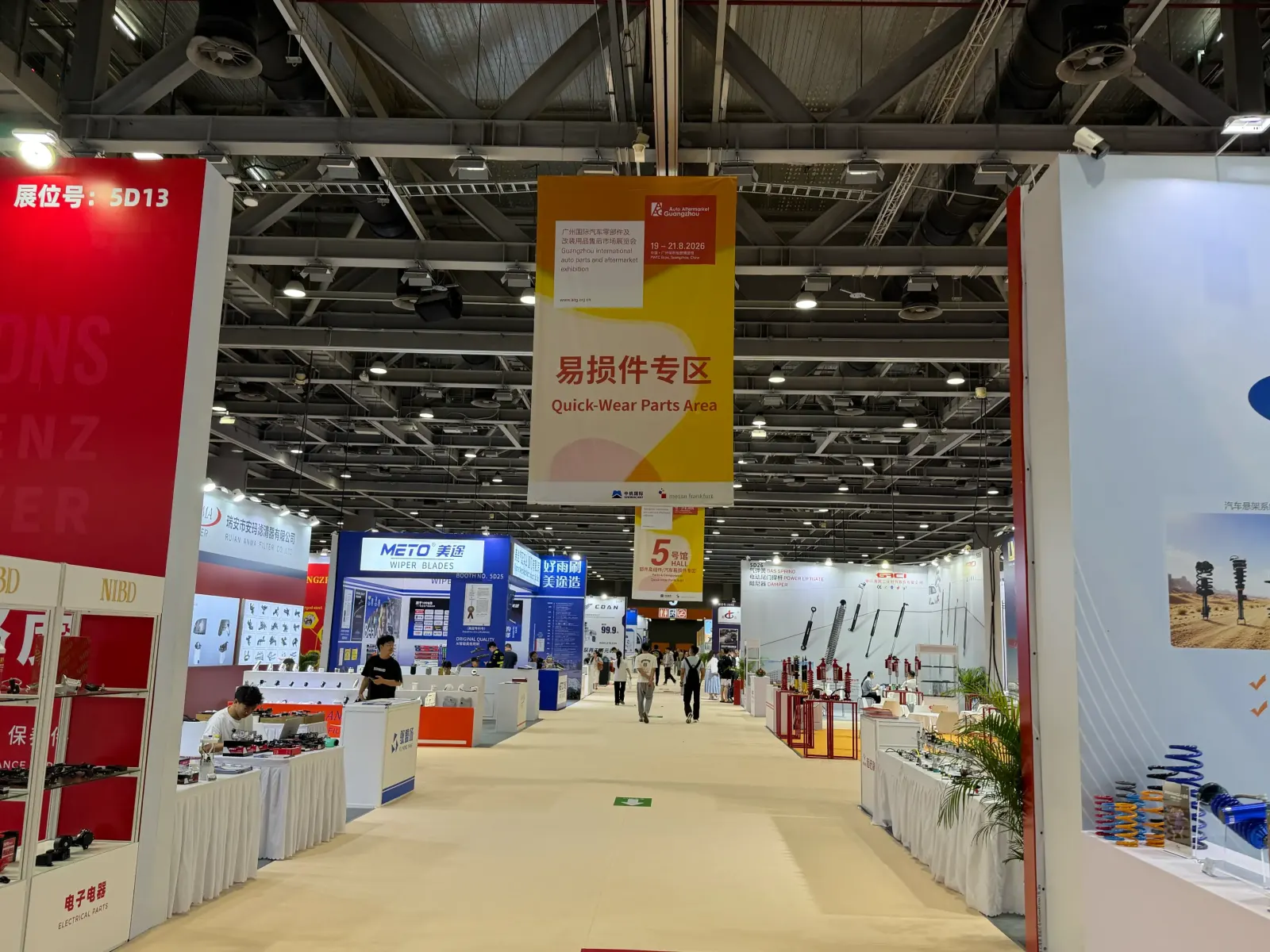
Source Auto Parts from China Without Walking the Trade Show (2026)
You do not need to walk Canton Fair, AAG in Guangzhou, or Automechanika Shanghai until your feet give out. Compare a China trip with RFQ, sampling, QC, and consolidation.

Small-Batch, Multi-SKU Auto Parts Sourcing from China
How wholesalers and repair businesses can plan mixed-SKU China auto parts orders using MOQ control, supplier grouping, samples, packaging, and consolidation.

How to Compare Chinese Auto Parts Supplier Quotes
A quote-comparison method for auto parts importers covering specification, MOQ, packaging, Incoterms, samples, tooling, documents, lead time, and landed risk.